Performing and performing arts

Dramatic Theater Direction: Making Shakespeare Relevant for Gen Z Audiences?
The key to making Shakespeare resonate with Gen Z isn’t ‘modernizing’ the text, but redesigning the audience’s relationship to it. Stop treating young audiences as passive spectators; grant them agency through interactive and immersive staging choices. Use pacing, spatial dynamics,…
Lire la suite
Beyond the Panels: Solving Acoustic Dead Zones in Converted Venues
Effective acoustic treatment in converted spaces is an architectural intervention, not a decorative afterthought. Success depends on diagnosing and mitigating the inherent structural flaws of the building, from cavernous reverb in warehouses to sound leaks that attract council notices. Material…
Lire la suite
The Survival of Small Live Music Venues in the UK: Impact of Business Rates?
The existential threat to UK grassroots music venues is not a downturn in culture, but a crisis of structural fragility that can be actively fought and won. The sector’s near-zero profit margin proves that traditional revenue models like wet sales…
Lire la suite
Contemporary Dance Training in the UK: Which Conservatoire Suits Your Style?
Choosing the right dance school is less about reputation and more about matching the training’s physical philosophy to your artistic goals. Different techniques (e.g., Graham vs. Release) build distinct physical habits and carry different injury risks, shaping your « intelligent body. »…
Lire la suite
The Architect of Experience: A Director’s Guide to Boundaries, Consent, and Connection in Immersive Theatre
The deepest audience connection isn’t a random act of magic; it’s the outcome of a meticulously designed ethical framework. Effective immersive experiences are built on an « ethical choreography » that engineers psychological safety from the very first moment. Performer safety is…
Lire la suite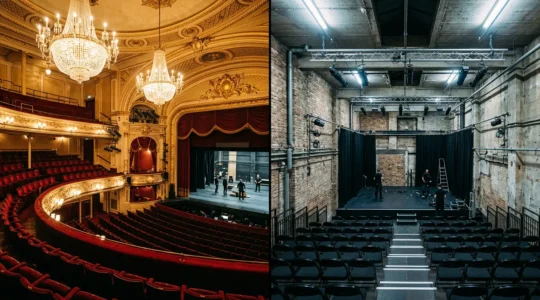
Budgeting for Stage Productions in the West End vs Fringe Festivals?
Effective theatre budgeting isn’t about saving money; it’s about strategically investing in your production’s specific definition of success, whether that’s profit, awards, or a future life. A budget is a strategic narrative of your values, risks, and goals, not just…
Lire la suite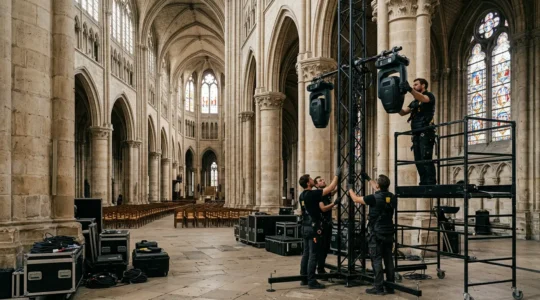
Managing Live Entertainment in Historic Venues: A Production Director’s Guide to Heritage Restrictions vs. Tech Needs
In summary: The primary challenge in heritage venues is not a lack of options, but the need for a non-invasive engineering mindset that treats the building as an unalterable system component. Successful event production requires designing technical solutions (power, rigging,…
Lire la suite