Visual arts
The realm of visual arts encompasses a staggering variety of mediums, from centuries-old oil paintings to cutting-edge digital installations. Understanding how to interact with, preserve, and display these works is fundamental for collectors, curators, and enthusiasts alike. Proper stewardship requires balancing aesthetic appreciation with rigorous conservation science.
Whether managing a personal collection or curating a public exhibition, the physical environment plays a crucial role in an artwork’s longevity. Different materials demand highly specific care, and failing to respect these requirements can lead to irreversible damage. This comprehensive overview explores the distinct needs of various visual art forms, offering practical methodologies for their preservation, integration, and display.
Navigating the Evolution of Digital and Immersive Art
The visual arts sector is currently experiencing a rapid integration of technology. Galleries and institutions are increasingly adopting virtual formats and immersive displays to build lasting cultural capital and engage modern audiences.
Cloud-Based Installations and Connectivity
Modern digital installations frequently rely on continuous data streams. However, the error of relying on unstable Wi-Fi for cloud-based art can lead to buffering, latency, or total display failure, ruining the immersive experience. To ensure seamless operation, curators should prioritize hardwired connections or dedicated, localized servers that cache content directly on-site.
Integrating Modern Tech in Heritage Spaces
When introducing new visual mediums into historical settings, physical infrastructure becomes a primary concern. For instance, installing heavy immersive LED walls in historical properties requires specialized freestanding structural rigs. These systems distribute weight evenly without anchoring into fragile lath and plaster walls. Traditional galleries often adopt VR viewing rooms as a non-invasive way to expand their exhibition space while preserving their architectural heritage.
The Delicate Science of Preserving Works on Paper
Works on paper, including watercolours, pastels, and graphite sketches, are notoriously sensitive. They require far more stringent climate control than traditional canvases due to the highly porous nature of paper fibres and the physical vulnerability of dry pigments.
Climate Control and UV Protection
Environmental fluctuations can degrade paper rapidly. High humidity encourages the growth of mould, often appearing as brownish foxing spots. Treating these spots requires balancing the risk of chemical bleaching against the visual improvement of the piece. Furthermore, the most common placement mistake is hanging watercolours opposite unshaded windows. Direct sunlight can fade delicate pigments drastically in just a few short seasons.
Archival Framing and Mounting
Proper framing is the first line of defence for works on paper. Utilizing acidic, cheap mounting board will inevitably burn the paper, turning sketches yellow over a short period. To prevent this, conservation-grade materials are essential.
- Museum glass: While standard acrylic is cheaper, museum glass offers superior UV protection and anti-static properties, which is crucial for preventing the transfer of loose graphite or pastel dust.
- Japanese hinges: Applying Japanese hinges with wheat starch paste allows paper to be float-mounted securely without causing irreversible glue damage.
- Spacers: For pastels, using deep spacers prevents the glazing from touching the surface, mitigating dust accumulation and pigment loss.
Mastering Canvas Care: Oils and Acrylics
Paintings on canvas remain a cornerstone of the visual arts. However, the choice of medium dictates a specific set of vulnerabilities, particularly regarding temperature, humidity, and physical handling.
Environmental Impacts on Paint
Climate plays a defining role in the health of a painting. In damp environments, oil paintings can develop a cloudy, bluish haze known as oil bloom, especially when hung in unheated spaces like conservatories. Conversely, the primary heating error with acrylics is exposing them to intense, dry winter heat, which causes the polymer emulsion to become brittle and crack.
Hanging artworks above a fireplace is another frequent mistake. The extreme fluctuations in heat and humidity dry out the wooden stretcher bars, ruining canvas tension and accelerating the cracking of the paint layer.
Cleaning and Surface Management
Cleaning textured surfaces requires profound caution. When dusting heavy impasto acrylics, traditional cloths can snag and trap lint within the sharp peaks of the texture. Using a soft, natural-bristle brush and a low-suction vacuum is far safer. Additionally, applying the correct varnish is vital for presentation. A matte varnish can significantly reduce glare from opposite windows, though it may slightly mute the deep vibrancy that gloss varnishes provide.
Maintaining and Securing Sculptural Works
Sculptures introduce three-dimensional complexities to art conservation. Whether sited indoors or exposed to the elements in a garden, these solid forms require proactive maintenance to preserve their structural integrity and surface patina.
Bronze Sculptures in Outdoor Settings
Bronze is exceptionally durable, yet it reacts continuously with its environment. In coastal locations, the high salinity in the air accelerates oxidation, causing bronze to turn green at a much faster rate. Recognizing the signs of active corrosion, such as powdery light green spots, dictates when to meticulously clean and rewax the sculpture to seal out moisture.
Proper installation involves more than just aesthetics. To prevent heavy bronze pieces from sinking in waterlogged soil, creating a reinforced concrete plinth is necessary. This foundation must extend below the frost line for stability. Furthermore, security is paramount. Without concealed anchoring systems, garden bronzes become an easy target for scrap metal thieves.
Casting Techniques and Investment
The creation process heavily influences a sculpture’s value and visual fidelity. Collectors often weigh the merits of different casting methods.
- Lost wax casting: Produces exceptionally sharp detail and captures the artist’s finest textures, generally commanding higher investment value.
- Sand casting: A more industrial process, suitable for broader, less intricate forms, offering a different aesthetic and economic profile.
The Mechanics of Kinetic Art Preservation
Kinetic art, which incorporates physical movement, presents unique challenges that bridge art conservation and mechanical engineering. Preserving moving sculptures for future generations requires managing friction, electrical loads, and material wear.
Electrical and Mechanical Authenticity
Many early kinetic works feature original electrical components that are incompatible with contemporary power grids. Running vintage motors on modern voltage without a step-down transformer will quickly burn out the mechanism. When repairs are needed, conservators face an ethical choice: rewinding the original copper coil maintains the work’s historical authenticity, whereas replacing the motor ensures reliability but alters the artist’s original assembly.
Preventive Maintenance Protocols
Moving parts require regular lubrication, but oiling a delicate mobile without staining its aesthetic surfaces requires pinpoint precision, often using medical-grade syringes. Moreover, a common display error is running kinetic art continuously. To prolong the lifespan of these fragile gears and motors, institutions must implement strict schedules, resting the moving work at regular intervals to prevent mechanical exhaustion.
Integrating Art into Historical and Modern Interiors
The relationship between an artwork and its architectural surroundings heavily influences aesthetic appreciation. Proper interior integration respects both the visual weight of the art and the historical context of the room.
Aesthetic Alignment with Architecture
Matching art to specific architectural styles requires an understanding of visual balance. For example, highly ornamented Victorian rooms often overwhelm minimalist sculptures, as the intricate background noise detracts from the sculpture’s clean, subtle lines. In contrast, bridging the gap between historical interiors and contemporary art can be achieved through framing. A sleek floating mount can modernize a traditional piece, while a heavy gilded frame can help a modern canvas sit comfortably within a Georgian home.
Spatial Illusion and Installation
The physical arrangement of artwork can manipulate the perceived dimensions of a space.
- Determine the focal point: Establish a central, grounding piece at average eye level.
- Build vertically: Arrange a salon wall by stacking smaller works upward, drawing the eye towards the ceiling to increase the perceived height of the room.
- Manage the lighting: Carefully angle fixtures to avoid hot spots. Installing track lighting on delicate lath and plaster ceilings requires locating the underlying joists to prevent plaster cracking.
Ultimately, the successful stewardship of visual arts relies on an informed approach to materials and environments. By implementing rigorous conservation techniques and thoughtful display strategies, collectors and institutions can ensure that these cultural assets remain vibrant and structurally sound for decades to come.
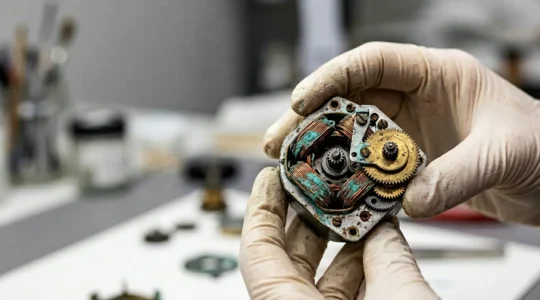
The Pulse of Preservation: A Conservator’s Guide to the Lifecycle of Kinetic Art
The central task of kinetic art conservation is not repair, but the strategic management of an artwork’s inherent motion and inevitable decay. Material authenticity (original parts) and functional authenticity (intended movement) are often in direct conflict. Preventive care, including scheduled…
Lire la suite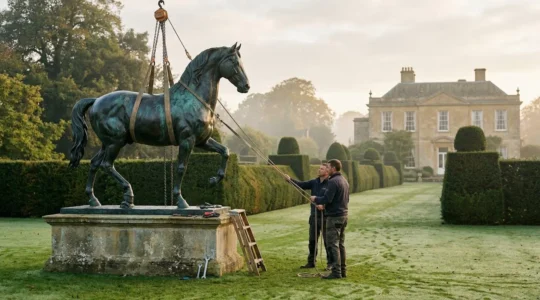
Installing Bronze Sculpture in English Gardens: A Specialist’s Guide to Maintenance and Theft Prevention
Installing a bronze sculpture is more than an aesthetic choice; it’s a significant investment vulnerable to UK-specific risks like accelerated corrosion and sophisticated theft. Environmental factors, particularly coastal salt-air, dramatically accelerate degradation if not managed proactively. Improper foundations in Britain’s…
Lire la suite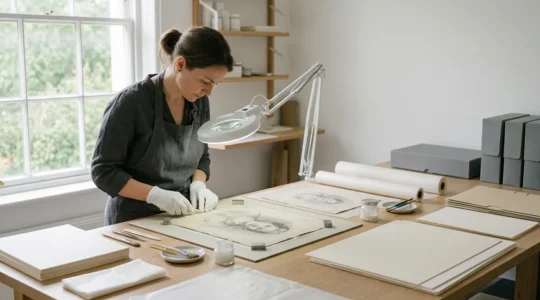
A Conservator’s Guide to Archiving Graphite Drawings for Longevity
The long-term survival of a graphite drawing has less to do with spray fixatives and more to do with the materials that surround it. Cheap mounting boards and backing materials actively release acids that yellow and embrittle paper within years….
Lire la suite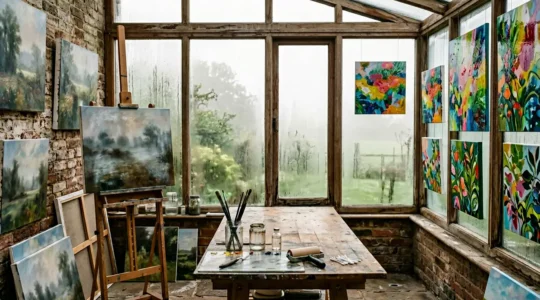
Oil vs. Acrylic: Which Paint Survives a Damp UK Climate and Holds Its Value?
The longevity of a painting in the UK depends less on whether it’s oil or acrylic, and more on its chemical stability against constant humidity and temperature fluctuations. Oil paints are susceptible to ‘bloom’ (a hazy surface) in damp conditions,…
Lire la suite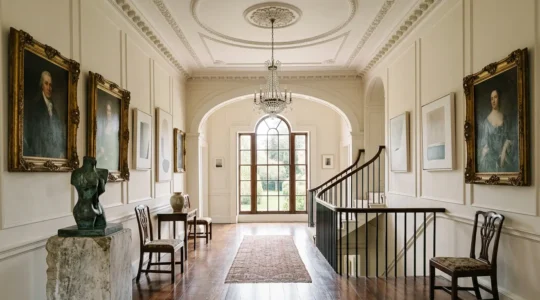
The Art of Dialogue: Integrating Contemporary Art in Georgian Interiors
The key to integrating art in Georgian homes isn’t about following rules, but about mediating a visual dialogue between the architecture and the artwork. The ornate language of Georgian design, present in features like elaborate plasterwork, can conflict with modern…
Lire la suite
Which Artistic Mediums Retain the Highest Value for UK Collectors? A Preservationist’s View
The long-term value of an artwork in the UK is determined less by its initial price and more by its material resilience to our uniquely damp and fluctuating climate. Works on paper are extremely vulnerable to humidity, while outdoor bronzes…
Lire la suite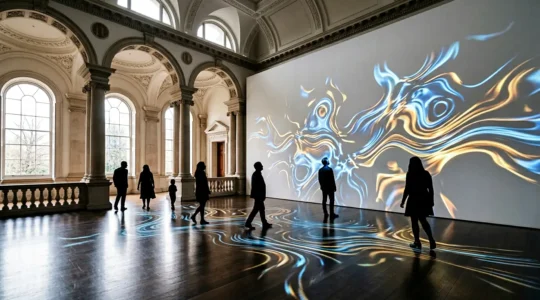
Visual Innovation in London Galleries: What to Expect and How to Prepare for the Next 5 Years
The future of London’s galleries isn’t about acquiring the latest technology, but mastering its strategic integration to enhance, not replace, curatorial mission. Digital tools must be assessed for their ability to expand reach and deepen curatorial insight, moving beyond mere…
Lire la suite