Photography and graphic arts
Welcome to the dynamic intersection of Photography and Graphic Arts. Whether you are capturing the raw energy of a rugby match in the depths of a British winter or designing a timeless visual identity for a high street retailer, the visual arts require a delicate balance of creative vision and rigorous technical execution. In today’s highly competitive creative industry, relying solely on artistic talent is no longer sufficient. Professionals must master complex hardware, navigate stringent legal frameworks, and understand the intricate economics of their craft.
This comprehensive resource is designed to demystify the core pillars of the visual arts landscape. From the meticulous preservation of fine art prints and the high-stakes world of corporate event photography, to structuring profitable freelance design rates in London and navigating HMRC’s latest regulations on digital assets, we will explore the critical knowledge required to thrive. Think of this as your definitive roadmap to elevating both your creative output and your commercial viability.
Fine Art Photography: Valuation, Archival Stability, and Print Mastery
The transition from a digital file to a physical collector’s piece is fraught with technical and financial pitfalls. Understanding how the market values photographic art is the first step toward building a sustainable practice. For instance, many emerging artists wonder if fine art photography is a viable investment compared to traditional canvas. The answer lies heavily in the concepts of scarcity and provenance. Open editions hold almost zero resale value compared to limited runs, as collectors demand exclusivity. Furthermore, knowing exactly how to verify a photographer’s signature and edition number on the verso is a critical skill for both creators and buyers.
Selecting the Ultimate Print Process: C-Type vs Giclée
When producing physical work, the choice of medium directly dictates the longevity and perceived value of the piece. The debate between C-Type and Giclée printing is a cornerstone of archival stability:
- C-Type Prints: These are continuous tone photographic prints created using light-sensitive paper and traditional darkroom chemistry, though often exposed via digital lasers. They are renowned for their incredible depth and smooth tonal transitions.
- Giclée Prints: Utilising high-resolution inkjet technology, Giclée offers a wider colour gamut and is printed on heavily textured, acid-free fine art papers, making it highly favoured for its painterly aesthetic.
Choosing between them depends on the desired aesthetic, but both require immaculate handling. A simple lens cleaning error that grinds microscopic salt crystals into your glass coating can ruin the initial capture, rendering even the best print process useless.
Preventing Catastrophic Mounting and Storage Errors
Even the most exquisite print can be ruined by improper post-production handling. A common dry-mounting error, such as using the wrong temperature or non-archival adhesives, can permanently alter the paper’s substrate, effectively devaluing a collector’s print by 50%. Furthermore, understanding how to store unmounted photographic prints flat, in climate-controlled environments with interleaving archival tissue, is mandatory to prevent the devastating issue of emulsion cracking.
Advanced Field Techniques: From the Cornish Coast to British Stadiums
Stepping out of the studio introduces a myriad of uncontrollable variables. A photographer’s ability to adapt to severe weather, poor lighting, and fast-paced action separates the amateur from the seasoned professional.
Mastering Long-Exposure Effects in Harsh Coastal Conditions
Creating ethereal long-exposure effects on the rugged Cornish coast without overexposure is a masterclass in light manipulation. You cannot achieve a 30-second exposure at midday without heavy glass; a strong 10-stop ND filter is essential. However, this often introduces severe colour casts that must be meticulously corrected in post-production. Fieldcraft is equally vital:
- Secure your equipment by weighing down your tripod with a dedicated sandbag to counteract 40mph gusts on a sandy beach.
- Decide on your focal point: determine whether the blurred motion of water or the streaking of clouds anchors your long exposure composition better.
- Shield your front element between exposures to prevent corrosive sea spray from ruining your optics.
Freezing Motion in Low-Light British Winter Sports
Shooting local sports during a British winter presents one of the most demanding lighting scenarios possible. When the floodlights are inadequate, understanding how to push your ISO to 6400 without ruining the image quality on crop sensors becomes your saving grace. Many beginners wonder why a shutter speed of 1/500th of a second still results in blurry rugby tackles; the reality is that fast-twitch sports often demand 1/1000th or faster.
Autofocus strategy is equally critical. Knowing when to switch from Single Point to Dynamic Area AF dictates your ability to track erratic players seamlessly. Finally, avoid the infamous ‘chimping’ mistake—constantly reviewing your LCD screen after every shot—which virtually guarantees you will miss the winning goal. Success relies on anticipating the peak action moment and knowing precisely when to trigger the burst.
Urban Photography: Documenting the Changing Face of UK Cities
Street and urban photography act as vital historical records. Photos of mundane high streets are rapidly becoming valuable historical archives, particularly when documenting the changing face of cities like Manchester. When deciding between a human-centric or architectural approach, consider which method tells a better story of gentrification in your specific locale. If you are planning a ‘Then and Now’ series spanning a decade, aligning shots perfectly requires meticulous notes on focal length, tripod height, and time of day.
However, urban photographers must navigate complex legalities. Ignorance of UK privacy laws is a critical mistake that can get your street photography banned or result in aggressive confrontations. Always ensure you are shooting from public land and understand the nuances of reasonable expectation of privacy. Furthermore, remember to meticulously tag your digital archives with precise metadata so future historians can effortlessly find your location data.
Navigating Commercial and Corporate Photography in the UK
Transitioning into the commercial sector, particularly hiring professional photography for UK corporate events, requires a deep understanding of pricing structures, intellectual property, and client management.
Pricing Models and Intellectual Property
Establishing fair and profitable rates is a constant challenge. For a multi-day conference, deciding between a day rate or a per-image pricing model can significantly impact your bottom line. Generally, a day rate protects your time, while a per-image license can generate higher long-term revenue for highly sought-after PR shots.
Clients often harbour the misconception that paying the invoice grants them unrestricted ownership. It is crucial to educate them on why paying the invoice does not automatically give them the right to edit or alter the photos. Understanding the critical difference between a Copyright Assignment and a License is the only way to protect your future income stream.
Executing the Perfect Event Brief
Corporate environments are notoriously difficult to shoot. A common venue lighting error—such as mixing harsh tungsten ceiling lights with daylight from a window—can ruin event photos regardless of how expensive your camera is. To guarantee usable PR assets, you must write an ironclad shot list in collaboration with the event organiser. Finally, manage client expectations regarding delivery times; knowing when to demand the final edits requires balancing the need for speed for immediate press releases against the meticulous quality required for long-term marketing collateral.
The Freelance Graphic Design and Branding Landscape
Graphic arts and visual branding require a distinct, yet overlapping, set of business skills. For freelance designers, establishing sustainable graphic design rates in London or other major UK cities requires confidence and strategic foresight.
Structuring Rates and Scopes of Work in London
Many designers eventually realise that charging by the hour penalises efficiency; the faster and more skilled you become, the less you earn. Transitioning to project-based pricing is essential. However, this must be underpinned by a rigorous scope of work that prevents endless revisions. Failing to define boundaries leads directly into the « canyoujust » trap, where minor, unbilled requests slowly eat 20% of your profit margin.
To protect your cash flow, always demand a deposit, securing at least 50% upfront before ever opening Illustrator. When pitching to startups, you must clearly articulate your value proposition: does their budget better suit the polished, multi-tiered process of an agency, or the rapid agility of a freelance professional?
Visual Identity Strategy for UK High Street SMEs
Creating visual branding for UK SMEs requires an understanding of local consumer psychology. To stand out on the high street, designers must understand why warm, inviting tones often convert better than cool blues in the context of British winter retail. A successful brand must be versatile; knowing how to design a logo that works just as effectively on a large shop fascia as it does on a tiny Instagram avatar is non-negotiable.
Furthermore, designers must navigate the tension between trend following and creating a timeless identity, as the latter builds significantly stronger local loyalty. Avoid elementary font choice mistakes that make signage completely unreadable from a passing bus. When a business is ready to evolve, carefully plan how to update their visual identity gradually, ensuring the brand feels refreshed without alienating their existing, loyal regular customers.
Taxation and the Digital Artist: HMRC, NFTs, and VAT
The modern visual artist often operates in a borderless digital economy, but they remain subject to strict local tax jurisdictions. Understanding how HMRC treats crypto art earnings is paramount for digital creators. Many artists are shocked to discover why their NFT sales might be classified as standard income rather than capital gains, depending on the frequency and nature of their trading activity.
Categorising Crypto Earnings and Claiming Expenses
For those earning in cryptocurrency, knowing exactly how to convert Ethereum earnings to GBP for accurate reporting before your tax return date is a legal necessity. Operating internationally also introduces complex VAT rules. A simple ‘Place of Supply’ error can trigger massive, unexpected VAT bills from EU buyers if you fail to correctly identify where the digital service is deemed to be consumed.
On the positive side, optimising your tax profile means knowing exactly how to claim industry-specific costs. Ensure you are accurately claiming all software subscriptions (like Adobe Creative Cloud), web hosting, and high-end hardware depreciation as legitimate business expenses to reduce your overall tax liability.
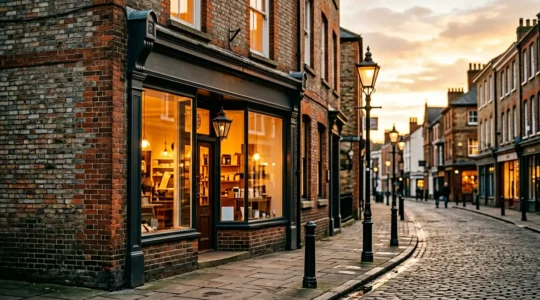
Visual Branding for UK SMEs: How to Stand Out on the High Street
Winning the UK high street isn’t about the loudest colours, but the smartest visual signals that connect with customers on a deeper level. Colour psychology must be adapted to the specific British climate and lighting to evoke the right emotions….
Lire la suite
London Graphic Design Rates: A Fair Pricing Guide for Freelance Branding
Pricing freelance design in London isn’t about finding a magic hourly rate; it’s about mastering the art of selling quantifiable business value and mitigating commercial risk. Stop billing for time, which penalizes your expertise and efficiency. Start structuring proposals around…
Lire la suite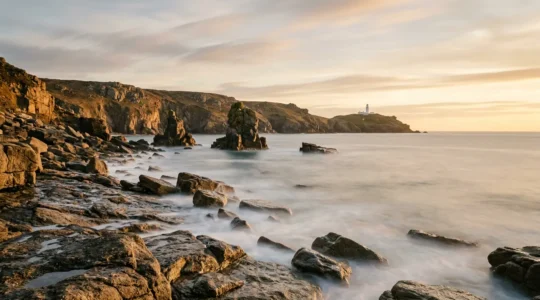
Mastering Coastal Long Exposure: How to Tame the Light and Tides of Cornwall
Achieving professional coastal long exposures goes far beyond simply using an ND filter; it requires mastering environmental physics and mechanical stability. Light control involves managing invisible infrared (IR) pollution, not just visible brightness, which is the primary cause of stubborn…
Lire la suite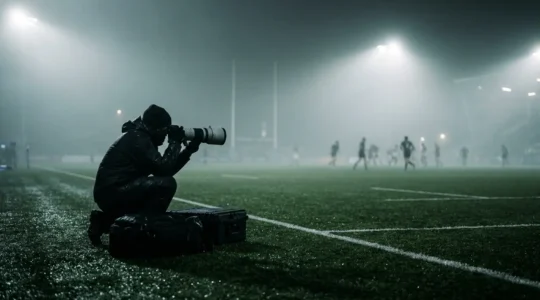
How to Freeze Motion in Low Light: A Pro’s Guide to UK Winter Sports Photography
Capturing sharp action shots during a bleak British winter isn’t about finding a magic setting. It’s about abandoning the quest for a « perfect » exposure and instead mastering a series of strategic trade-offs. The key is to push your gear to…
Lire la suite
Digital Artists and Tax: How Does HMRC Treat Crypto Art Earnings?
For UK digital artists, the key to managing crypto earnings is understanding that HMRC views your activity through the lens of « Badges of Trade, » which almost always classifies your sales as professional income, not capital gains. Frequent sales, commercial intent,…
Lire la suite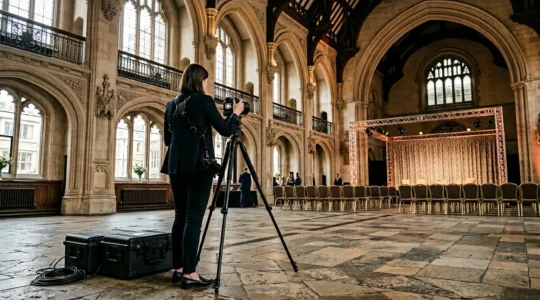
UK Corporate Event Photography: A Manager’s Guide to Costs, Rights & ROI
In summary: Copyright automatically belongs to the photographer in the UK; you are buying a specific licence to use the photos, not the photos themselves. A detailed, PR-focused shot list that considers GDPR and brand goals is non-negotiable for getting…
Lire la suite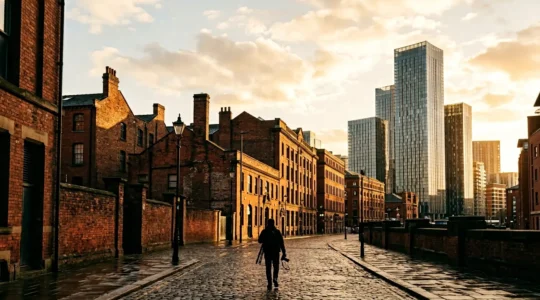
Capturing Time: How to Document Manchester’s Urban Evolution for the Historical Record
Documenting Manchester’s urban change effectively is less about lucky shots and more about adopting a rigorous, archival methodology. This involves precise ‘Then and Now’ alignment using architectural anchors and robust metadata for future reproducibility. A conscious narrative choice between a…
Lire la suite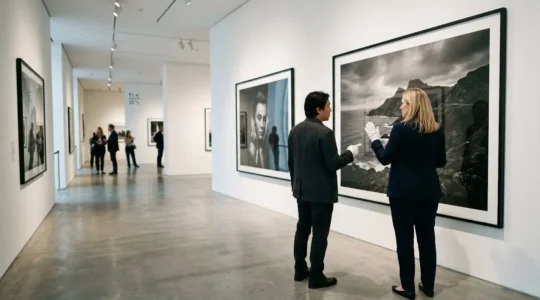
Beyond the Canvas: Why Fine Art Photography Is a Viable Investment Compared to Traditional Canvas
Fine art photography’s investment value is not a lesser version of painting’s; it is a distinct asset class built on verifiable scarcity and material science. The value of a photograph is dictated by its controlled edition, with limited runs commanding…
Lire la suite